On capital cost, a boiler replacement in Great Britain is often quoted as a package, because the boiler isn't the whole job. Energy Saving Trust lists a typical cost of around £3,500 for replacing a gas boiler, but real quotes spread wider depending on what's being changed. A straight combi‑for‑combi swap in the same place tends to sit toward the lower end, while relocations, conversions (for example, system boiler to combi), or significant pipework changes push the price up.
Costs can also rise if your installer recommends (or your home genuinely needs) a magnetic filter, a system clean/flush, new controls, thermostatic radiator valves, or a condensate drain solution that meets current expectations. A typical boiler replacement quote often bundles: the appliance itself, labour, a flue kit, controls, inhibitor, a filter (or at least allowance for one), a flush/clean, condensate pipework changes, minor pipe rerouting, and commissioning paperwork.
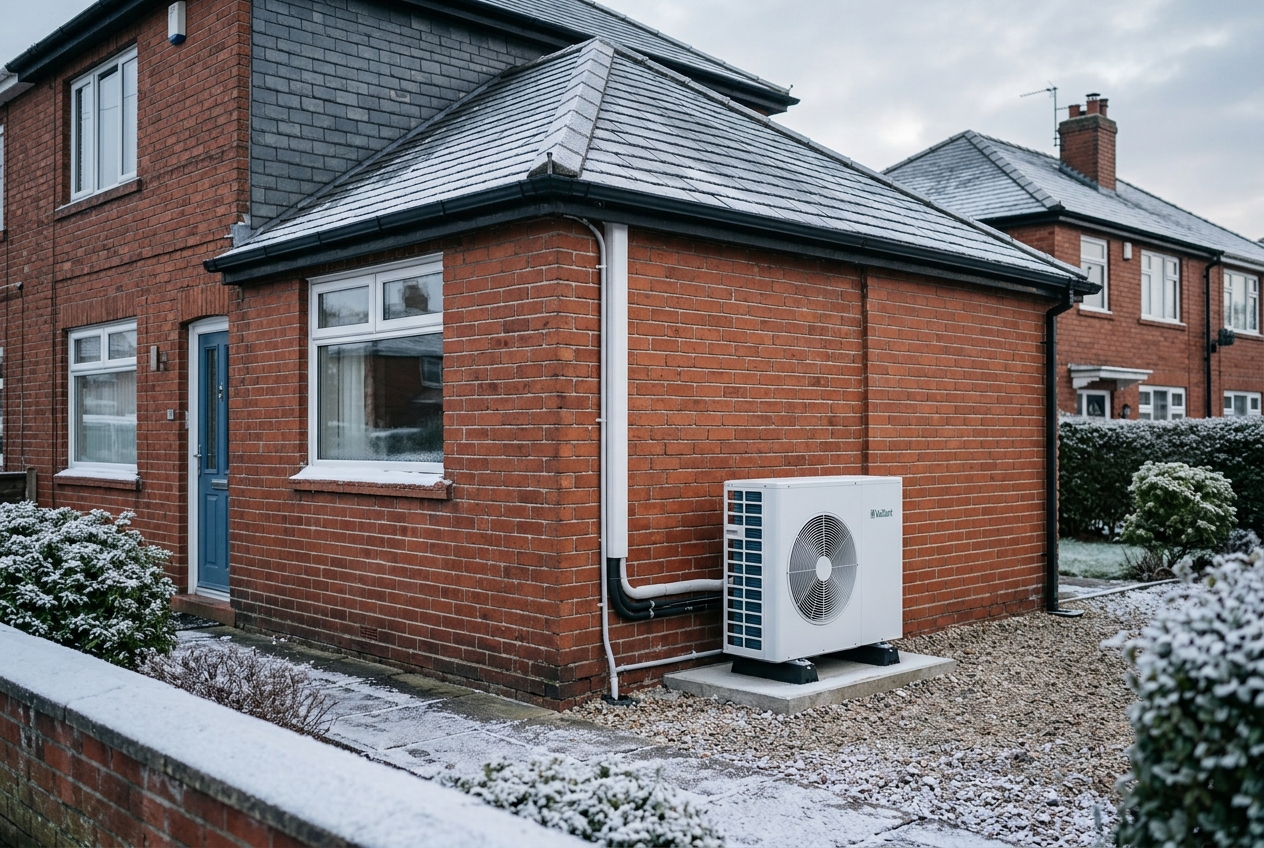
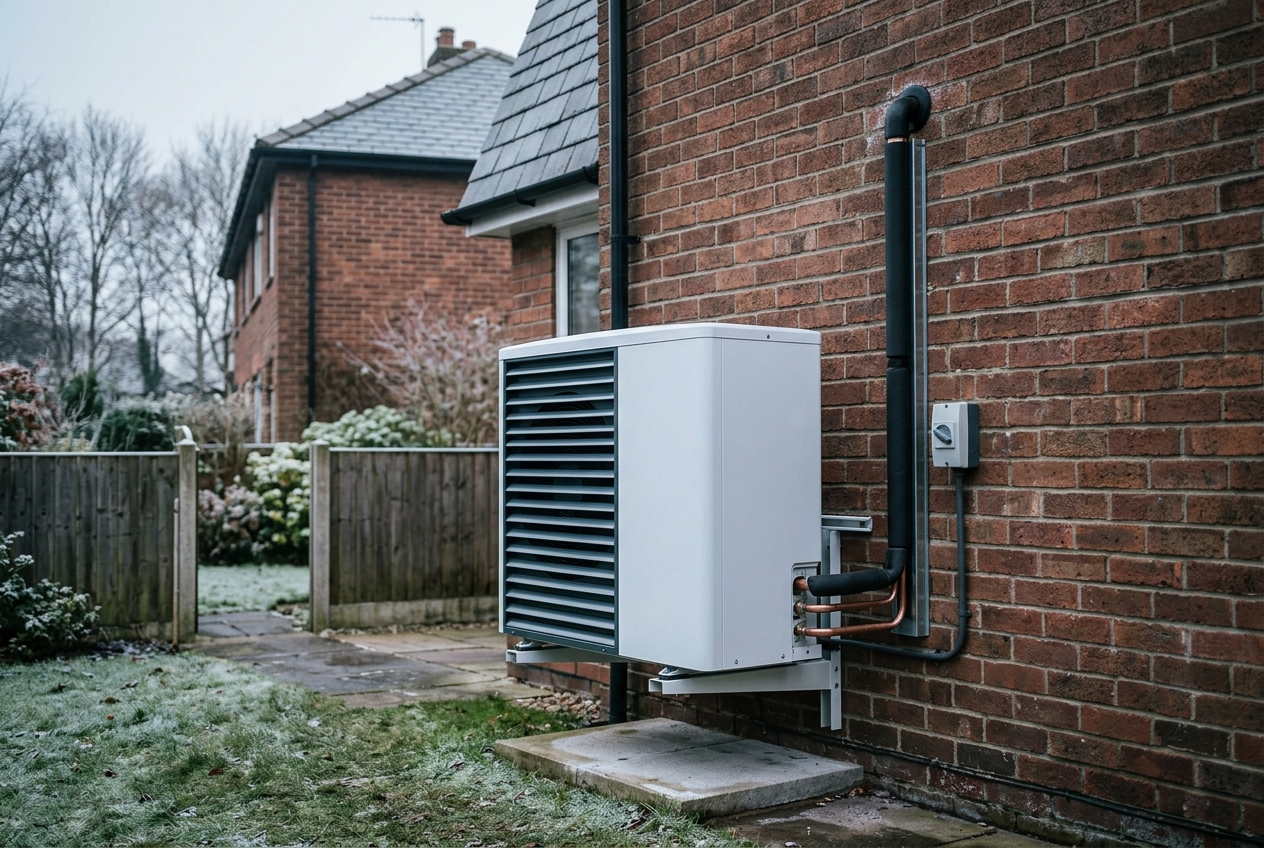
For heat pumps, the sticker price has historically been the barrier—but by August 2026 the financial picture is more nuanced. Energy Saving Trust puts air source heat pumps at around £12,000 installed and ground source heat pumps at around £15,000, with ground source costs increasing sharply if boreholes are required (they cite around £57,000 in that scenario). In England and Wales, the Boiler Upgrade Scheme takes £7,500 off the installed cost for air‑to‑water and ground source systems.
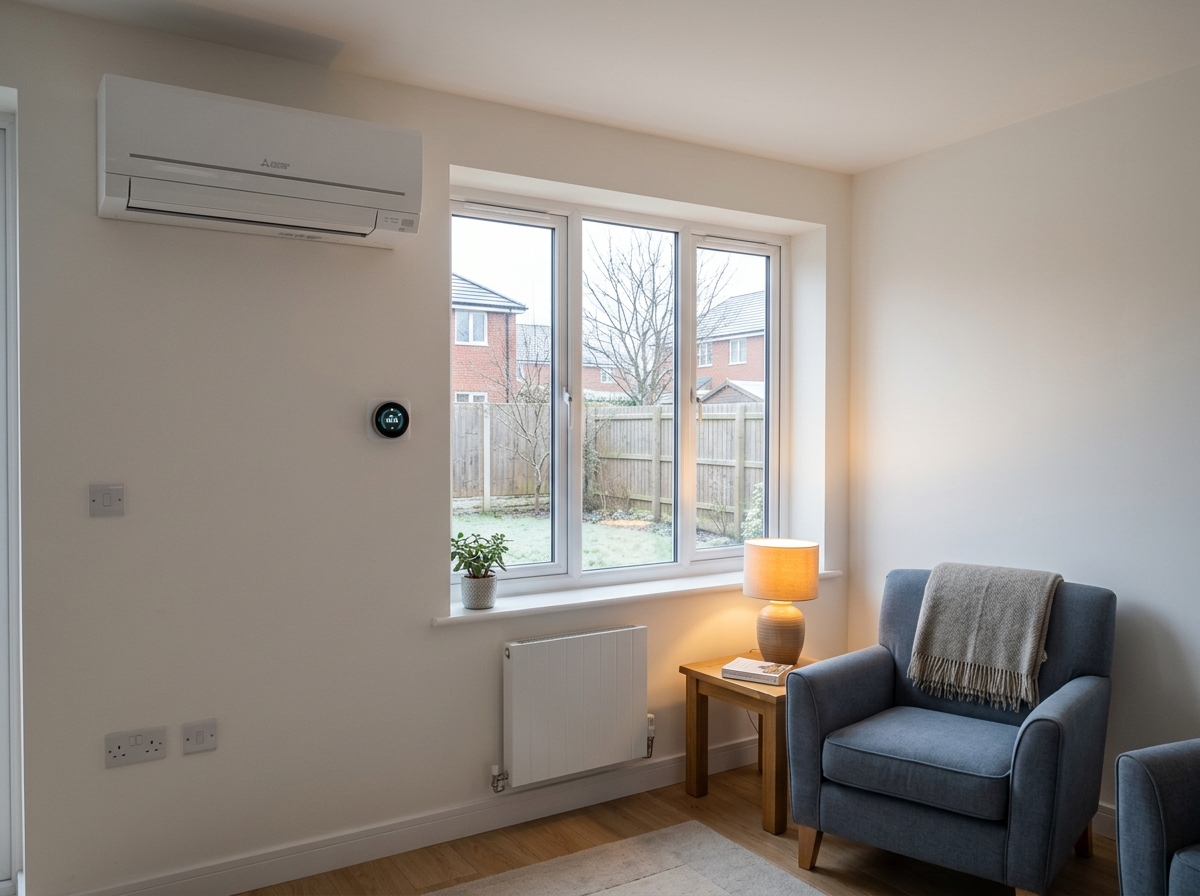
From 21 July 2026 to 31 March 2027, eligible off‑gas‑grid homes replacing oil or LPG heating without a mains gas connection can receive £9,000. Separately, there is also support for air‑to‑air heat pumps (£2,500) for properties where that technology makes sense. In addition, domestic installations of qualifying energy‑saving materials such as heat pumps are zero‑rated for VAT in Great Britain until 31 March 2027, which can noticeably affect quotes depending on how work is packaged.
A heat pump quote typically bundles: the outdoor unit, a new hot‑water cylinder (most air‑to‑water heat pumps need one), internal hydraulic components, primary pipework changes, glycol/frost protection as required, electrical works (sometimes including an upgraded isolator or consumer unit work), disposal of the old appliance, and commissioning with system settings. Radiator upgrades and remedial insulation are the common enablers that swing heat pump cost up or down.